Cutaneous Leishmaniasis

Introduction to Cutaneous Leishmaniasis
Cutaneous leishmaniasis (CL) is a parasitic infectious disease caused by protozoa belonging to the genus Leishmania. The infection is transmitted to humans and other mammals through the bite of infected female phlebotomine sandflies. Cutaneous leishmaniasis represents one of the major forms of leishmaniasis and remains an important neglected tropical disease affecting millions of people worldwide.
Globally, approximately 1.5–2 million new leishmaniasis cases are reported annually, with nearly 70,000 deaths linked to different forms of the disease. More than 350 million individuals are currently living in regions at risk of infection. The disease also contributes significantly to global morbidity, accounting for millions of disability-adjusted life years (DALYs), particularly in developing countries with limited healthcare infrastructure.
Leishmaniasis presents a broad clinical spectrum depending on the infecting Leishmania species, the immune status of the host, and environmental transmission factors. The disease may appear as:
- Localized cutaneous leishmaniasis (LCL), characterized by ulcerative skin lesions
- Diffuse cutaneous leishmaniasis (DCL), involving multiple disseminated nodules
- Mucocutaneous leishmaniasis, which affects mucosal tissues of the nose, mouth, and throat
- Visceral leishmaniasis, a severe systemic form involving internal organs
The diversity of clinical manifestations reflects the complexity of parasite biology, vector ecology, host immunity, and environmental conditions associated with disease transmission.
Global Epidemiology and Disease Distribution
Worldwide Burden of Cutaneous Leishmaniasis
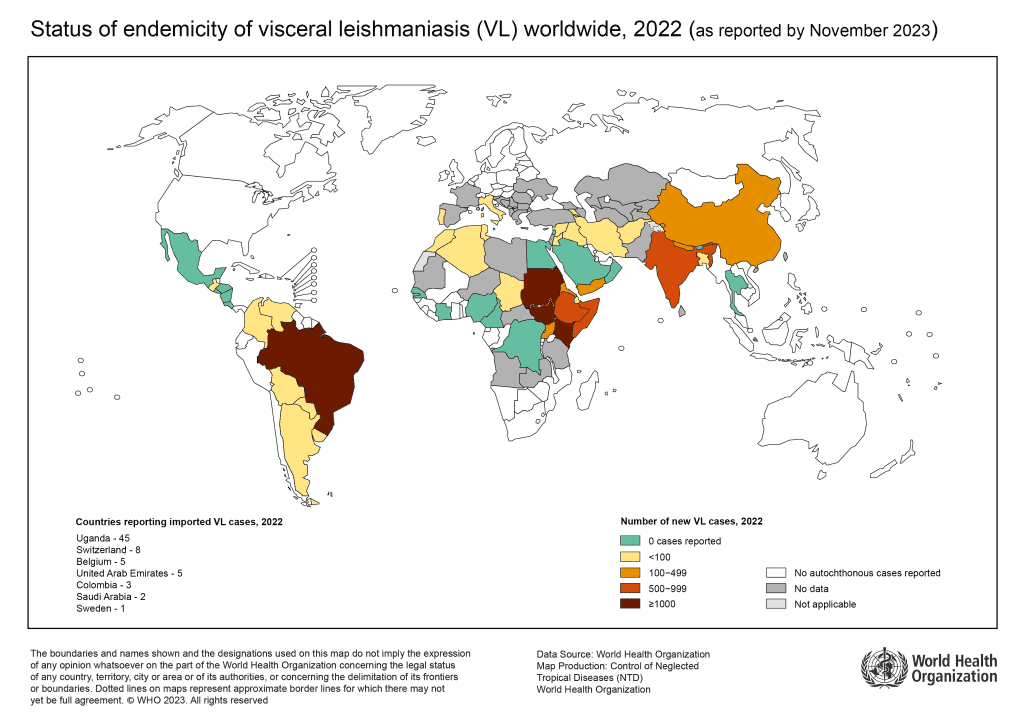
Cutaneous leishmaniasis is endemic in more than 70 countries across tropical, subtropical, and Mediterranean regions. The highest disease burden is concentrated in countries such as:
- Afghanistan
- Algeria
- Brazil
- Pakistan
- Peru
- Saudi Arabia
- Syria
Approximately 90% of global cases originate from these regions. Surveillance data indicate a continuous rise in disease incidence over the last decades due to several contributing factors including:
- Urbanization
- Deforestation
- Population displacement
- Armed conflicts
- Climate change
- Inadequate vector control
- HIV co-infection
- Emergence of antileishmanial drug resistance
Because many infections remain asymptomatic or are misdiagnosed, the actual global burden of cutaneous leishmaniasis is likely substantially underestimated.
Environmental and Ecological Factors
The epidemiology of cutaneous leishmaniasis is strongly influenced by ecological and environmental conditions. Transmission cycles are increasingly adapting to peri-urban and domestic environments. Human activities such as agricultural expansion, deforestation, and urban development alter vector habitats and increase human exposure to infected sandflies.
In many endemic regions, domestic animals may act as reservoir hosts, maintaining parasite circulation close to human populations. Migration associated with poverty, tourism, natural disasters, and armed conflicts also contributes to outbreaks by exposing immunologically naïve populations to endemic transmission zones.
For example, the incidence of Leishmania tropica infection increased dramatically in Kabul, Afghanistan, during periods of war and population displacement, resulting in tens of thousands of annual cases.
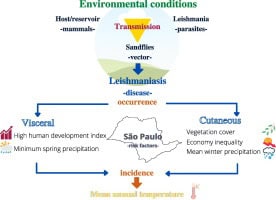
Transmission Cycle and Sandfly Vectors
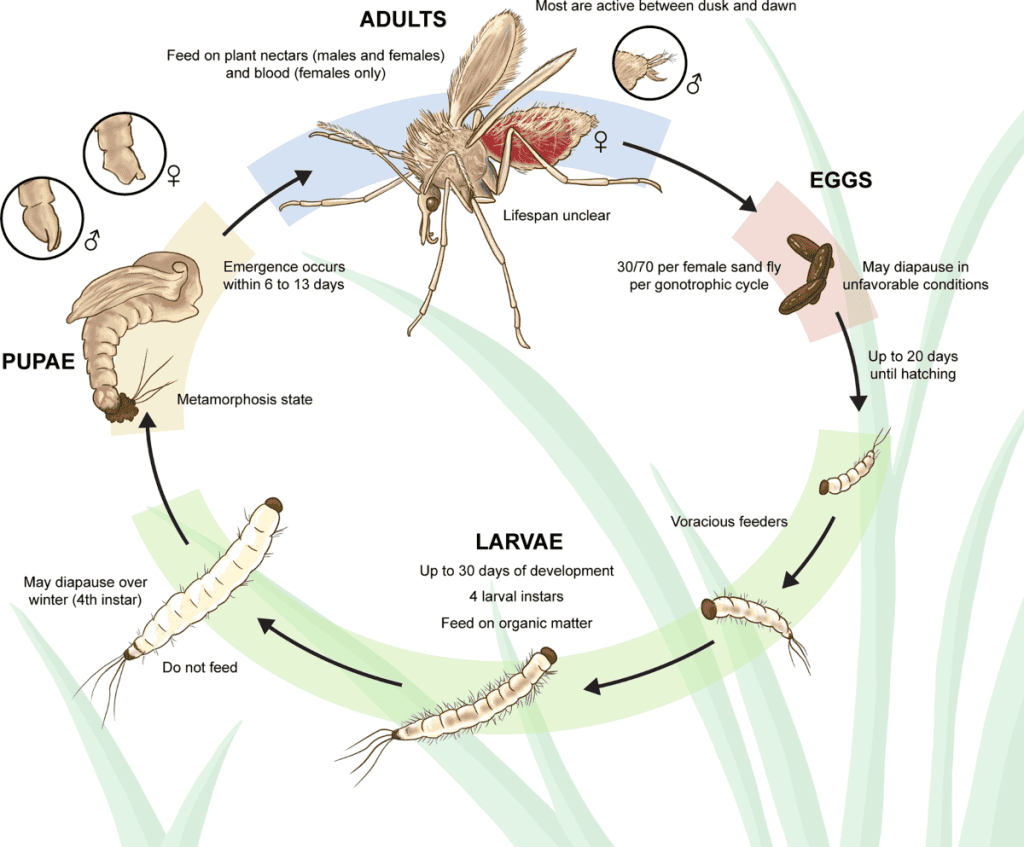
Sandfly-Mediated Transmission
Leishmania parasites are primarily transmitted through the bite of infected sandflies belonging to:
- Phlebotomus species in Europe, Africa, the Middle East, and Asia
- Lutzomyia species in Central and South America
Transmission may occur through:
- Anthroponotic cycles, where humans are the primary reservoir
- Zoonotic cycles, involving animal reservoirs such as rodents, dogs, marsupials, and wild mammals
More than 30 sandfly species are confirmed vectors of cutaneous leishmaniasis.
Ecological Differences Between Old World and New World Leishmaniasis
Old World cutaneous leishmaniasis typically occurs in:
- Semi-arid regions
- Desert ecosystems
- Rocky habitats
In contrast, New World cutaneous leishmaniasis is largely associated with:
- Tropical forests
- Humid ecosystems
- Agricultural frontiers
Sandflies survive in cool and humid microhabitats such as:
- Animal burrows
- Tree roots
- Rock crevices
- Forest leaf litter
Environmental changes reduce biodiversity and force vectors to feed more frequently on humans and domestic animals, thereby increasing transmission intensity.
Clinical Manifestations of Cutaneous Leishmaniasis
Localized Cutaneous Leishmaniasis (LCL)
Localized cutaneous leishmaniasis is the most common clinical form. The disease typically begins as:
- A small erythematous papule at the sandfly bite site
- Progression into a nodule
- Development of ulcerative lesions over weeks or months
Lesions vary significantly in:
- Size
- Number
- Severity
- Healing duration
Some infections heal spontaneously within months, while others persist for years.
Healing generally leaves permanent scars that may cause severe cosmetic disfigurement and psychological trauma.
Diffuse Cutaneous Leishmaniasis (DCL)
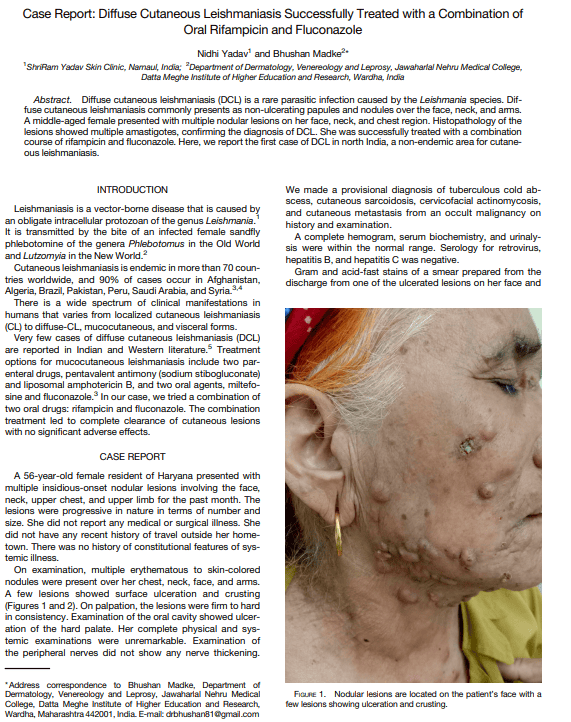
Diffuse cutaneous leishmaniasis is a rare but severe form characterized by:
- Multiple disseminated non-ulcerative nodules
- Extensive parasite dissemination
- Poor cellular immune response
- Resistance to conventional treatment
Unlike localized disease, DCL rarely heals spontaneously.
Mucocutaneous Leishmaniasis
Mucosal leishmaniasis is among the most destructive forms of the disease and is commonly associated with Leishmania braziliensis infection.
The disease may develop months or years after primary skin lesions heal and involves:
- Nasal inflammation
- Septal perforation
- Destruction of oral and pharyngeal tissues
- Severe facial deformities
Mucosal disease rarely resolves spontaneously and can become life-threatening if untreated.
Immunopathogenesis and Host Immune Response
Innate and Adaptive Immunity in Leishmaniasis
The establishment of Leishmania infection depends on complex interactions between:
- Parasite virulence factors
- Sandfly saliva components
- Host immune responses
After transmission, parasites infect macrophages and evade intracellular destruction.
Disease outcome is largely determined by the balance between two major immune responses:
Th1 Immune Response
Protective immunity is mediated by the Th1 response, characterized by:
- Activation of macrophages
- Production of interferon-gamma (IFN-γ)
- Interleukin-12 (IL-12)
- Tumor necrosis factor-alpha (TNF-α)
This response promotes parasite killing and lesion healing.
Th2 Immune Response
The Th2 response is associated with disease progression and chronic infection through production of:
- Interleukin-4 (IL-4)
- Interleukin-10 (IL-10)
- Interleukin-13 (IL-13)
- Transforming growth factor-beta (TGF-β)
These cytokines suppress macrophage activation and facilitate parasite survival.
Immunological Profiles in Different Clinical Forms
Localized Cutaneous Leishmaniasis
Patients with localized disease typically develop:
- Strong Th1 responses
- Positive delayed-type hypersensitivity reactions
- Elevated IFN-γ production
- Effective cellular immunity
These immune mechanisms promote spontaneous healing and long-term protection.
Diffuse Cutaneous Leishmaniasis
Diffuse disease is associated with:
- Severe T-cell anergy
- Weak cellular immunity
- Dominant Th2 cytokine profile
- High parasite burden
Patients exhibit minimal interferon-gamma production and impaired parasite control.
Mucosal Leishmaniasis
Mucosal disease involves excessive inflammatory responses characterized by:
- Elevated TNF-α
- High IFN-γ production
- Mixed Th1/Th2 cytokine patterns
This exaggerated immune response contributes to tissue destruction and chronic inflammation.
Parasite Virulence Factors
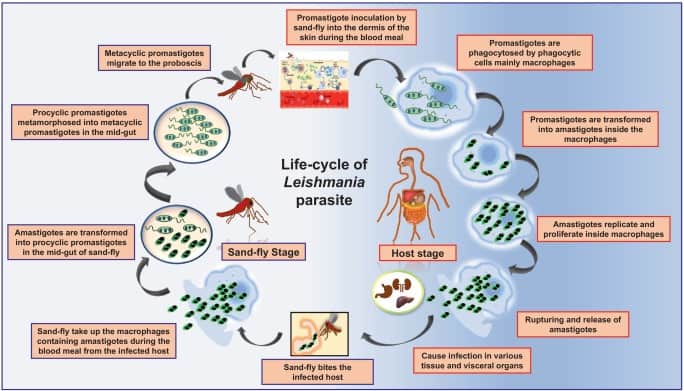
Leishmania parasites possess several virulence mechanisms enabling survival within host cells, including:
- Lipophosphoglycans
- Cysteine proteases
- Leishmanolysin
- Surface glycoproteins
These molecules help parasites:
- Avoid immune recognition
- Inhibit macrophage activation
- Promote intracellular persistence
Different Leishmania species exhibit significant genetic variability, influencing disease severity, tissue tropism, and treatment response.
Role of Sandfly Saliva in Disease Development
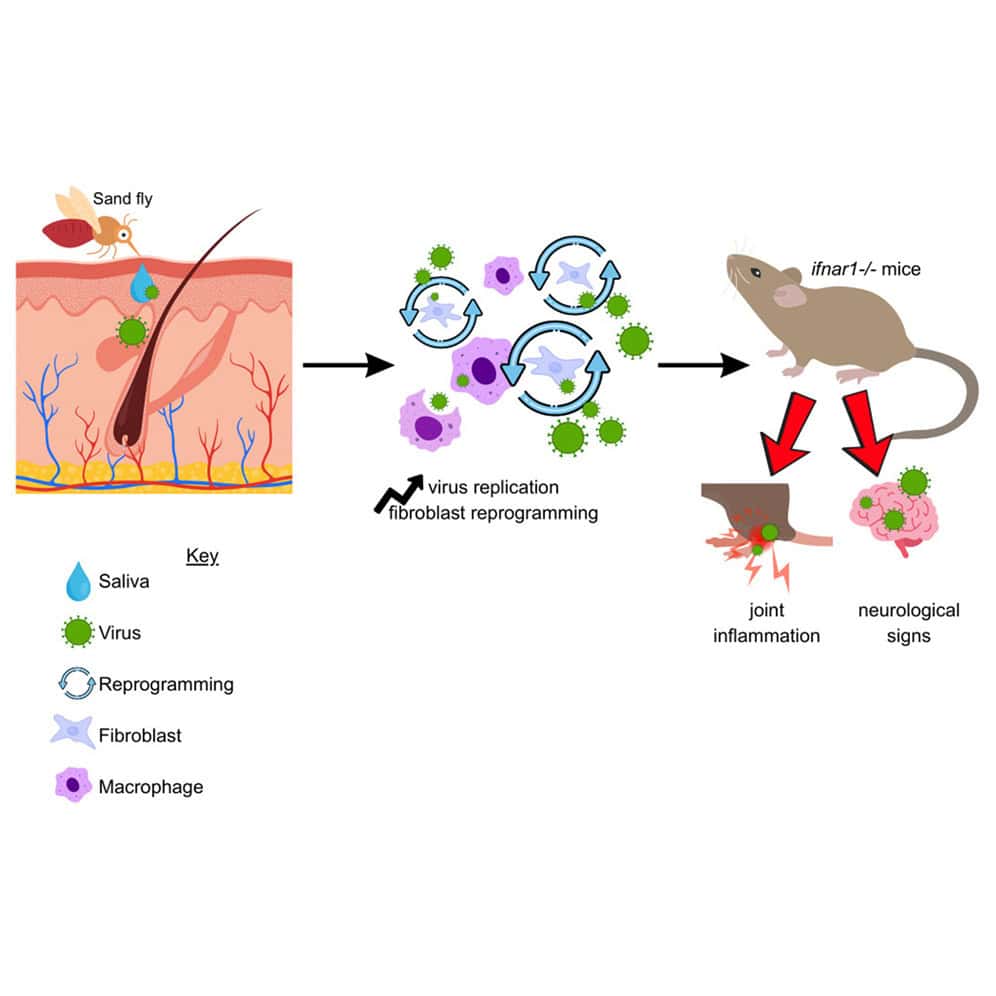
Sandfly saliva is now recognized as a major contributor to leishmaniasis pathogenesis.
Salivary molecules:
- Enhance parasite infectivity
- Increase lesion size
- Modulate immune responses
- Shift immunity toward Th2 dominance
Experimental studies demonstrate that prior exposure to sandfly saliva may induce partial protective immunity through anti-saliva antibodies and enhanced delayed hypersensitivity responses.
Diagnosis of Cutaneous Leishmaniasis
Conventional Diagnostic Methods
Parasitological confirmation remains the gold standard for diagnosis.
Common methods include:
- Microscopic examination of Giemsa-stained smears
- Histopathology
- Parasite culture
- Lesion aspiration
Microscopy is widely used in endemic countries due to low cost and accessibility.
Molecular Diagnosis
PCR-based molecular techniques have significantly improved diagnostic sensitivity, especially in:
- Mucosal leishmaniasis
- Chronic lesions
- Low parasite burden infections
Molecular assays allow:
- Species identification
- Monitoring treatment response
- Epidemiological surveillance
However, widespread implementation remains limited by cost and laboratory infrastructure requirements.
Current Treatment Strategies
Pentavalent Antimonials
Pentavalent antimonials remain the first-line treatment in most endemic countries.
Common drugs include:
- Sodium stibogluconate
- Meglumine antimoniate
These drugs are administered either:
- Intramuscularly
- Intravenously
- Intralesionally
Despite effectiveness, they are associated with significant toxicity including:
- Cardiotoxicity
- Hepatotoxicity
- Renal toxicity
- Musculoskeletal pain
Alternative Therapies
Alternative treatment options include:
- Amphotericin B
- Pentamidine
- Miltefosine
- Thermotherapy
- Topical paromomycin
Miltefosine has shown promising oral efficacy against several Leishmania species, although treatment outcomes vary depending on parasite species and geographic region.
Intralesional therapy is increasingly favored because it:
- Reduces systemic toxicity
- Targets lesions directly
- Lowers treatment costs
- Improves patient compliance
Prevention and Disease Control
Vector Control
Prevention strategies focus primarily on reducing contact between humans and sandflies through:
- Insecticide-treated bed nets
- Indoor residual spraying
- Repellents
- Protective clothing
- Environmental management
Pyrethroid-treated bed nets have demonstrated significant protection in endemic communities.
Reservoir Control
In zoonotic transmission cycles, reservoir management may include:
- Rodent population control
- Insecticide-treated dog collars
- Monitoring domestic animal infections
Integrated vector management programs remain essential for sustainable disease control.
Vaccine Development
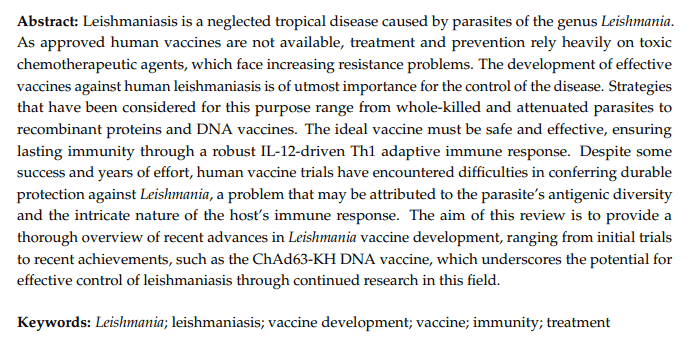
Despite decades of research, no universally effective human vaccine against cutaneous leishmaniasis currently exists.
Historically, “leishmanization” involved deliberate inoculation with live parasites to induce immunity, but safety concerns limited its use.
Modern vaccine research focuses on:
- Recombinant parasite antigens
- Sandfly salivary proteins
- DNA vaccines
- Immunomodulatory approaches
The sequencing of Leishmania genomes and advances in molecular immunology are accelerating vaccine development efforts.
Future Perspectives and Research Priorities
Several major challenges continue to hinder effective control of cutaneous leishmaniasis:
- Limited diagnostic access
- Drug toxicity
- Emerging drug resistance
- Complex transmission ecology
- Lack of effective vaccines
- Underreporting of cases
Future research should prioritize:
- Improved molecular diagnostics
- Safer oral therapies
- Species-specific treatment protocols
- Integrated vector management
- Immunotherapeutic strategies
- Understanding host genetic susceptibility
A multidisciplinary approach combining epidemiology, immunology, molecular biology, and public health policy is essential for reducing the global burden of cutaneous leishmaniasis.
Conclusion
Cutaneous leishmaniasis remains a major neglected tropical disease with complex epidemiology, diverse clinical manifestations, and significant public health impact. The disease results from intricate interactions among Leishmania parasites, sandfly vectors, host immunity, and environmental factors.
Advances in immunology, molecular diagnostics, and therapeutics have improved understanding of disease mechanisms, yet substantial challenges remain regarding prevention, treatment, and long-term control.
Future progress will depend on strengthening surveillance systems, improving access to diagnosis and treatment, developing effective vaccines, and implementing sustainable vector control programs in endemic regions.
