Human Gastrointestinal Microbiota
Introduction to the Human Gastrointestinal Microbial Ecosystem
The human gastrointestinal tract represents one of the most complex microbial ecosystems on Earth. This dynamic biological environment contains trillions of microorganisms, including bacteria, viruses, archaea, and fungi, which collectively form the intestinal microbiota. These microbial populations interact continuously with host tissues, dietary compounds, metabolic substrates, and immune components, creating a highly regulated ecological network essential for human health.
Unlike other organs composed mainly of eukaryotic tissues, the gastrointestinal system functions through intricate interactions between intestinal epithelial cells, dietary nutrients, microbial metabolites, and resident microorganisms. Advances in molecular microbiology and genomic technologies have significantly improved the understanding of gut microbial ecology, particularly through culture-independent methods based on ribosomal RNA analysis and metagenomics.
Modern microbiome research demonstrates that gut microbial composition is strongly associated with nutritional status, immune regulation, metabolism, geographic origin, genetic background, and disease susceptibility. These discoveries have transformed gastrointestinal microbiology into a major field of biomedical research with applications in diagnostics, personalized medicine, nutrition, and disease prevention.
Evolutionary and Phylogenetic Diversity of the Gut Microbiota
Role of 16S rRNA Gene Analysis in Microbial Identification
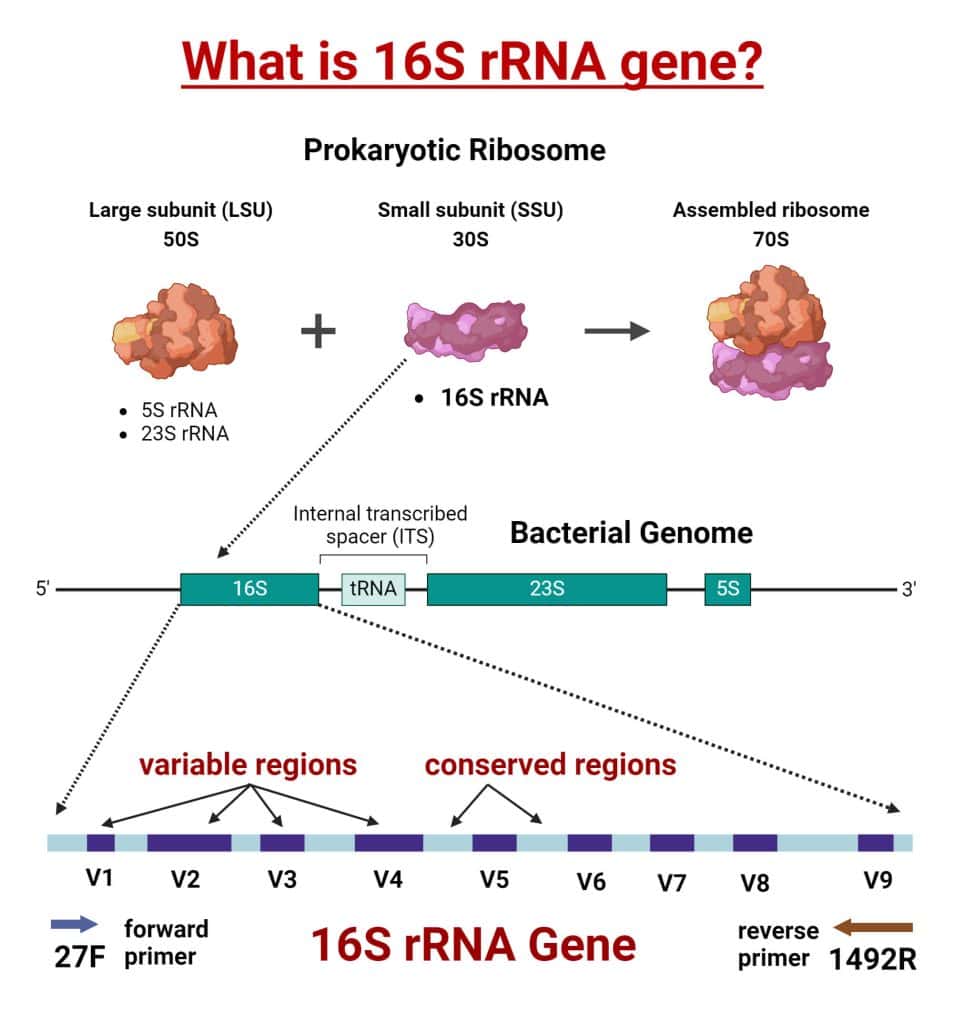
The 16S ribosomal RNA gene remains one of the most important molecular markers used for microbial classification and phylogenetic analysis. This approximately 1.5 kb gene contains highly conserved regions combined with variable sequences that enable accurate identification and differentiation of bacterial species.
Large-scale sequencing projects have generated hundreds of thousands of 16S rRNA sequences, allowing researchers to characterize microbial diversity within the gastrointestinal tract with high precision. Several complementary techniques are commonly used for microbiota profiling, including:
- 16S rRNA gene sequencing
- Quantitative PCR analysis
- Fluorescent in situ hybridization (FISH)
- Denaturing gradient gel electrophoresis (DGGE)
- Ribosomal RNA fingerprinting
- DNA microarray technologies
These approaches provide valuable information regarding bacterial abundance, diversity, ecological distribution, and temporal stability.
Stability and Host-Specificity of Gut Microbial Communities
Studies using molecular fingerprinting technologies have shown that the intestinal microbiota of healthy adults is generally stable over time and highly host-specific. Each individual possesses a unique microbial signature influenced by genetics, early-life colonization, diet, environmental exposure, and immune activity.
Sequencing studies have also revealed that a substantial proportion of intestinal microorganisms remain uncultured and previously unidentified. Most dominant species identified in the human colon belong to Gram-positive bacterial groups, particularly members of:
- Firmicutes
- Clostridium clusters
- Eubacterium species
- Ruminococcus species
- Lactobacillus species
- Bifidobacterium species
Additional dominant phyla include:
- Bacteroidetes
- Actinobacteria
- Proteobacteria
- Fusobacteria
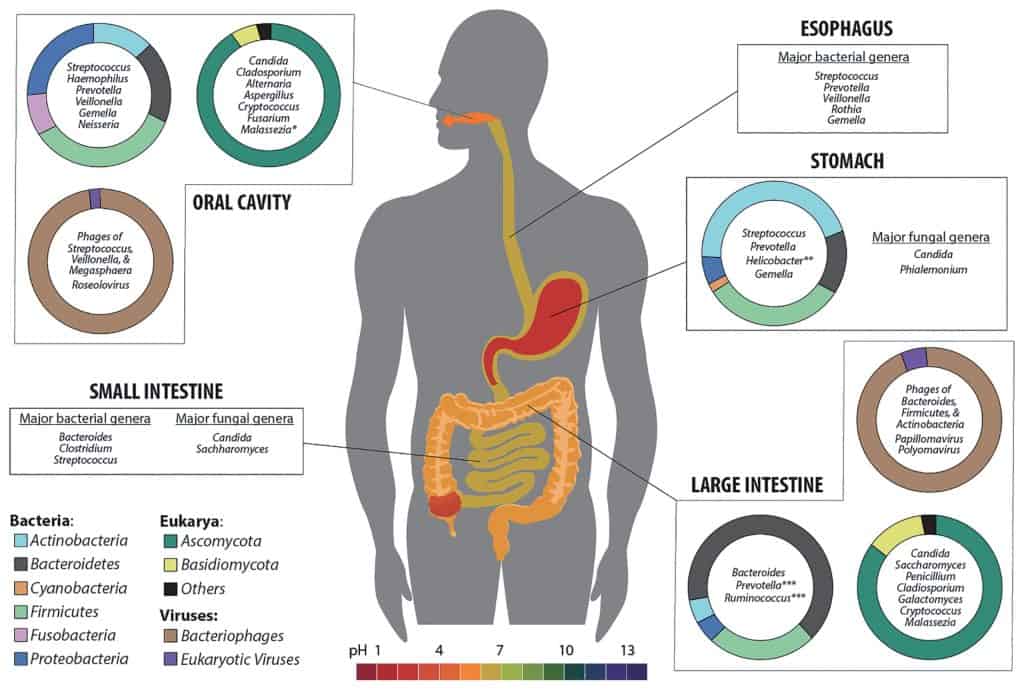
The microbial composition differs significantly between anatomical regions of the gastrointestinal tract. The oral cavity, esophagus, ileum, colon, and fecal compartment each contain distinct microbial populations adapted to local environmental conditions such as pH, oxygen concentration, nutrient availability, and host secretions.
Regional Diversity Within the Gastrointestinal Tract
Differences Between Luminal and Mucosa-Associated Microbiota
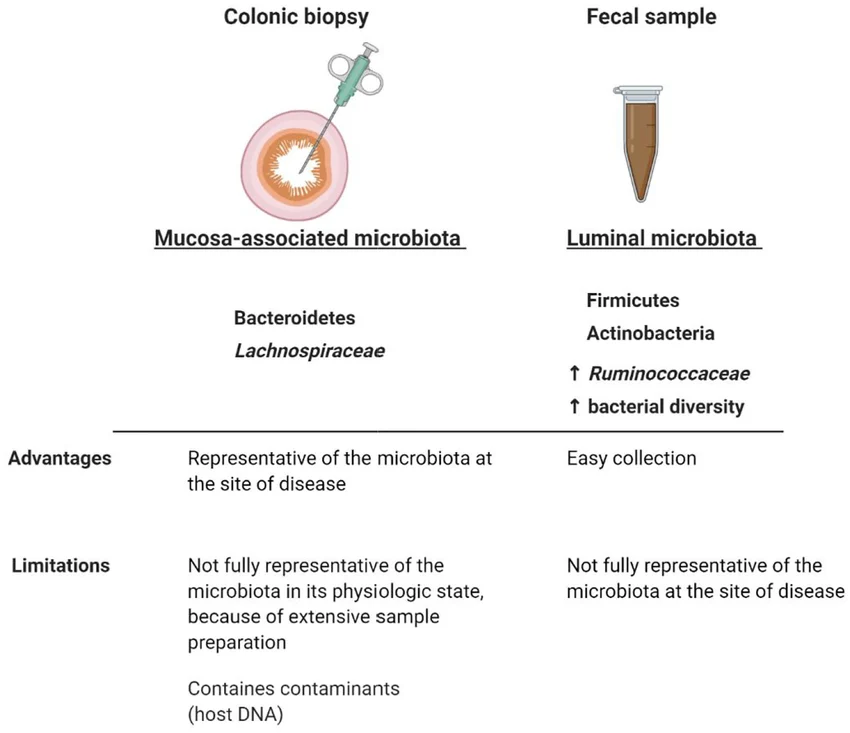
Research indicates that fecal samples do not always accurately represent microbial communities associated with the intestinal mucosa. Mucosa-associated bacteria interact more directly with epithelial tissues and immune cells, making them particularly important in host-microbe communication.
Several investigations have demonstrated that bacterial populations attached to the colonic mucosa are relatively uniform throughout the colon. This observation suggests the existence of stable ecological interactions between microbes and intestinal epithelial surfaces.
However, some studies indicate that many colonic microbes may remain separated from epithelial tissues by the mucus barrier, highlighting the importance of methodological differences when analyzing intestinal microbial organization.
Genomic Diversity and Functional Capacity of Gut Microorganisms
Comparative Genomics of Intestinal Bacteria
Although 16S rRNA sequencing provides taxonomic information, it does not reveal the metabolic capabilities of microorganisms. Comparative genomics addresses this limitation by analyzing complete microbial genomes to predict physiological functions and ecological adaptation.
Genome sequencing of gastrointestinal commensals such as:
- Bacteroides thetaiotaomicron
- Lactobacillus plantarum
- Bifidobacterium longum
- Enterococcus faecalis
has revealed major functional differences between bacterial groups inhabiting different intestinal regions.
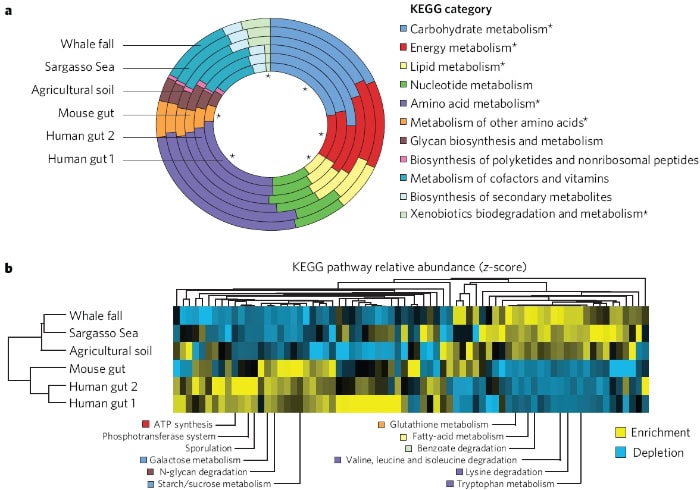
Bacteria dominant in the small intestine commonly possess numerous phosphotransferase transport systems specialized for rapid sugar uptake. In contrast, colon-associated bacteria contain extensive gene networks involved in:
- Complex carbohydrate degradation
- Polysaccharide metabolism
- Fermentation pathways
- ABC transport systems
- Proton symport mechanisms
These genomic adaptations contribute to bacterial survival within specific gastrointestinal niches.
Metagenomics and the Human Microbiome
Functional Analysis of Complex Microbial Communities
Metagenomics enables direct analysis of genetic material recovered from microbial communities without the need for cultivation. This technology allows researchers to investigate the phylogenetic composition and functional potential of entire microbiomes.
Metagenomic studies of human fecal samples have identified enormous microbial and viral diversity, including thousands of viral genotypes dominated by bacteriophages associated with Gram-positive bacteria.
Applications of metagenomics include:
- Identification of novel microbial genes
- Discovery of metabolic pathways
- Analysis of microbial evolution
- Functional screening of environmental DNA
- Investigation of disease-associated microbial shifts
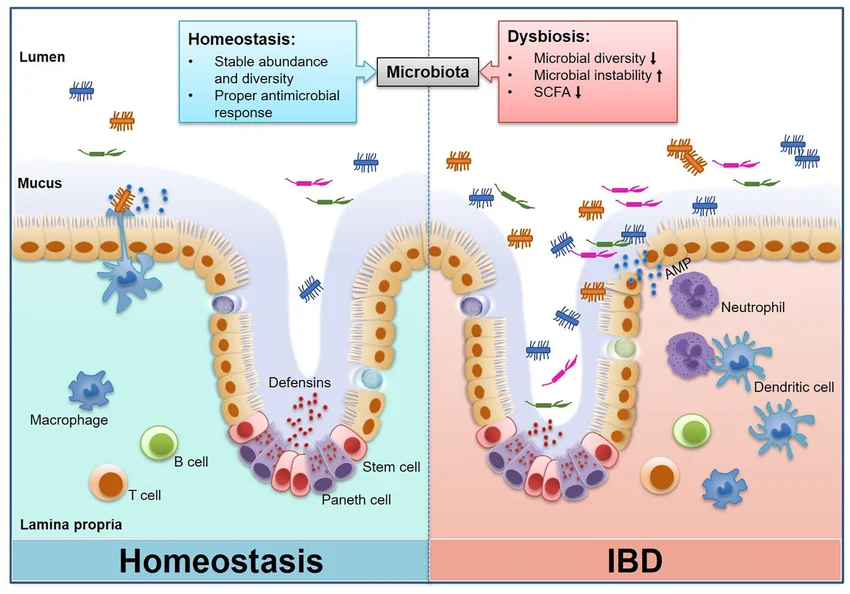
Comparative metagenomic studies have shown reduced diversity of Firmicutes in patients with inflammatory bowel diseases such as Crohn’s disease, suggesting that microbial imbalance contributes to gastrointestinal pathology.
Host Genetics and Microbiota Composition
Influence of Genetic Background on Gut Microbial Ecology
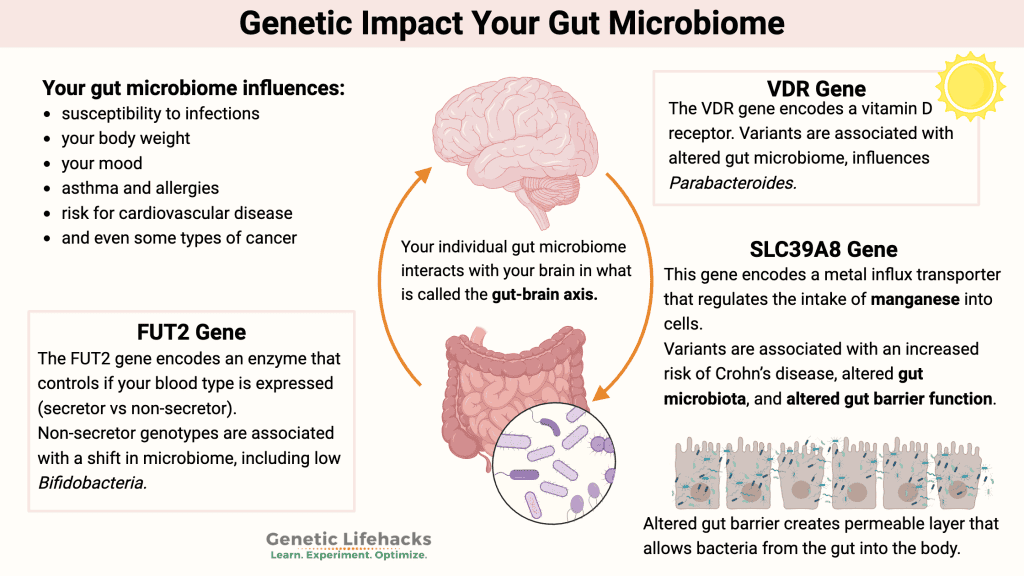
Accumulating evidence demonstrates that host genotype significantly influences gastrointestinal microbial composition. Studies comparing unrelated individuals, siblings, and monozygotic twins have shown stronger microbiota similarity among genetically related individuals.
Host genetic factors affect:
- Immune signaling pathways
- Mucus composition
- Antimicrobial peptide production
- Nutrient absorption
- Epithelial barrier integrity
These mechanisms help shape microbial colonization patterns beginning shortly after birth.
Microbial instability is frequently associated with gastrointestinal disorders, particularly inflammatory bowel diseases. However, distinguishing whether microbial alterations are causes or consequences of disease remains a major challenge in microbiome research.
Viability and Metabolic Activity of Intestinal Microorganisms

Functional Activity Within the Gut Ecosystem
Identification of microbial species alone is insufficient for understanding ecosystem function. Modern microbiology increasingly focuses on determining which microorganisms are metabolically active within the gastrointestinal tract.
Flow cytometry studies using viability staining have shown that intestinal bacterial populations include:
- Active cells
- Injured but viable cells
- Dead microbial cells
Interestingly, butyrate-producing bacteria are highly active in the colon. Butyrate is a critical short-chain fatty acid that serves as a primary energy source for intestinal epithelial cells and contributes to anti-inflammatory regulation.
Functional analysis techniques include:
- Transcriptomics
- Proteomics
- Metabolomics
- Stable isotope probing
- In vivo gene expression technologies
These methods allow researchers to monitor microbial metabolism, nutrient utilization, stress responses, and ecological adaptation in real time.
Transcriptomics and In Vivo Gene Expression
Monitoring Microbial Responses in the Gastrointestinal Tract
Transcriptomic technologies measure microbial gene expression under physiological conditions. These approaches reveal how microorganisms respond to diet, environmental stress, and host-derived compounds.
Studies involving Bacteroides thetaiotaomicron demonstrated that dietary composition strongly influences microbial gene expression. During polysaccharide-rich diets, bacteria upregulate genes associated with carbohydrate degradation, whereas nutrient limitation stimulates utilization of host-derived mucus glycans.
Similarly, investigations of Lactobacillus plantarum revealed metabolic shifts between the small intestine and colon, reflecting adaptation to different nutrient environments.
Advanced methods combining fluorescent in situ hybridization with mRNA detection now permit simultaneous analysis of microbial identity and gene expression at the single-cell level.
Proteomics and Metabolomics in Gut Microbiome Research
Functional Omics Technologies
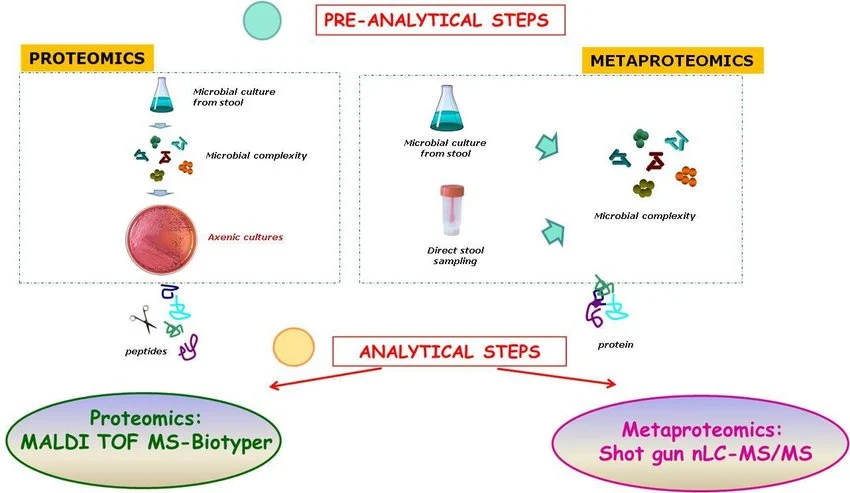
Proteomic and metabolomic analyses provide direct information about microbial activity and host-microbe interactions.
Metaproteomics enables identification of proteins expressed by entire microbial communities, while metabolomics characterizes small molecules produced during microbial metabolism.
These technologies are increasingly used to investigate:
- Short-chain fatty acid production
- Quorum sensing systems
- Host immune modulation
- Nutrient metabolism
- Drug-microbiome interactions
Metabolomic profiling may eventually support personalized nutritional and therapeutic strategies based on individual microbiome composition.
Impact of Gut Microbiota on Host Physiology
Microbial Contributions to Health and Disease
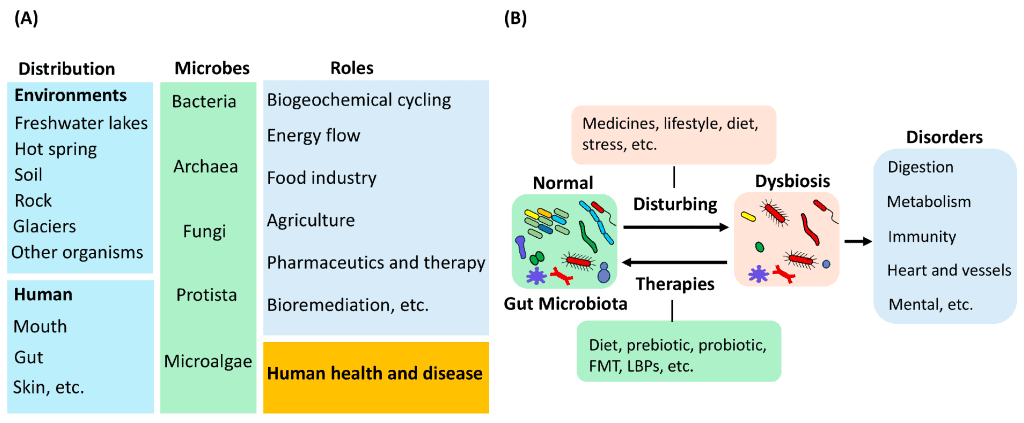
Experiments using germ-free animal models have demonstrated the essential role of intestinal microbiota in normal physiological development. Compared with conventional animals, germ-free mice exhibit:
- Reduced immune development
- Altered intestinal morphology
- Impaired nutrient metabolism
- Defective epithelial maturation
Microbial communities contribute to:
- Vitamin synthesis
- Fermentation of dietary fibers
- Energy extraction
- Regulation of immune homeostasis
- Protection against pathogens
Specific intestinal bacteria can also modulate host gene expression. For example, Bacteroides thetaiotaomicron stimulates production of fucosylated glycans and influences nutrient absorption pathways.
Toll-Like Receptors and Immune Recognition
Molecular Communication Between Microbes and the Host
Toll-like receptors (TLRs) are major pattern-recognition receptors involved in microbial sensing and immune regulation. These receptors recognize microbial molecules such as:
- Lipopolysaccharides
- Lipoteichoic acids
- Bacterial DNA
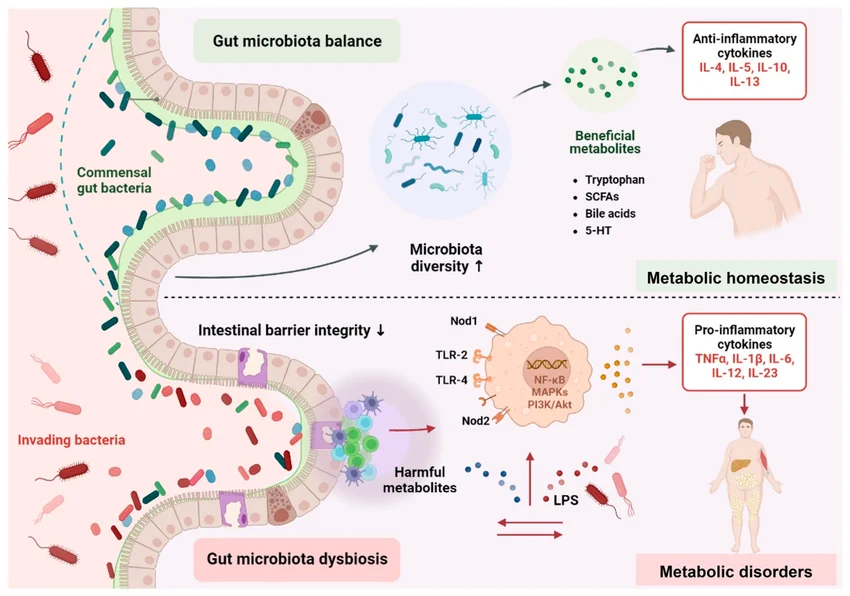
Contrary to earlier assumptions, commensal microorganisms are continuously recognized by TLRs under normal physiological conditions. This signaling is essential for maintaining intestinal epithelial integrity and immune balance.
Research also demonstrates that probiotic bacterial DNA can exert anti-inflammatory effects through TLR-mediated pathways. Structural modifications of microbial molecules may shift immune responses from pro-inflammatory to anti-inflammatory states.
Gut Microbiota and Metabolic Regulation
Influence on Energy Storage and Obesity
The intestinal microbiota also affects systemic metabolism. Studies in animal models revealed that microbial colonization significantly increases body fat accumulation independent of caloric intake.
One mechanism involves regulation of fasting-induced adipocyte factor (FIAF), which influences triglyceride storage and lipid metabolism. These findings highlight the role of the microbiome in obesity, metabolic syndrome, and energy homeostasis.
Future Perspectives in Gastrointestinal Microbiome Research
Emerging Technologies and Personalized Medicine
Modern gastrointestinal microbiology is rapidly evolving through integration of:
- Metagenomics
- Transcriptomics
- Proteomics
- Metabolomics
- Systems biology
- Bioinformatics
Future research aims to identify microbial biomarkers associated with gastrointestinal health, inflammatory disorders, metabolic diseases, and therapeutic response.
Understanding host-microbe and microbe-microbe interactions will be essential for developing:
- Personalized probiotic therapies
- Microbiome-targeted drugs
- Precision nutrition strategies
- Disease prediction models
- Preventive healthcare approaches
Conclusion
The human gastrointestinal tract contains a highly complex and dynamic microbial ecosystem that plays fundamental roles in nutrition, immunity, metabolism, and disease regulation. Advances in culture-independent molecular technologies have dramatically expanded knowledge of microbial diversity, functional genomics, and host-microbe interactions.
The integration of high-throughput sequencing, metagenomics, transcriptomics, proteomics, and metabolomics is transforming microbiome science into a predictive and personalized biomedical discipline. Continued investigation of intestinal microbial ecology will provide deeper understanding of gastrointestinal health and may ultimately support the development of novel diagnostic, preventive, and therapeutic strategies targeting the human microbiome.
